Exhibition: Making and Knowing: An Exploration in Craft
Emma Riddle
Fall 2025
HIST GU4962: Making and Knowing in Early Modern Europe: Hands-On History
Explore Making and Knowing: An Exploration in Craft
Overview
Exhibition Statement
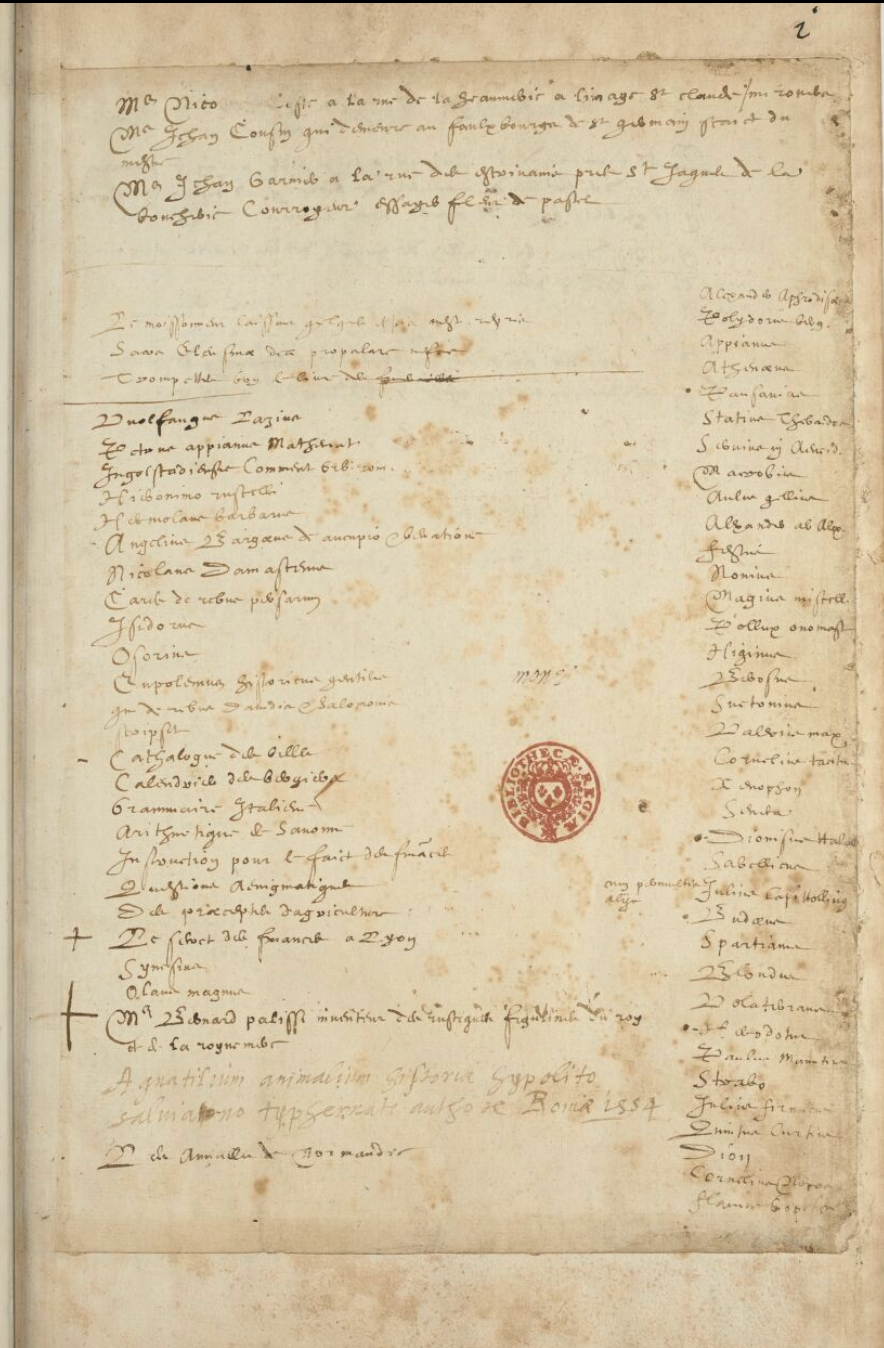
Making and Knowing: An Exploration in Craft is an exhibit that focuses on Ms. Fr. 640 as a written collection of craft making that demonstrates how much making is also scientific knowledge and understanding. The author-practitioner utilizes experimentation in making and craft processes to gain extensive knowledge of natural materials, similar to the frameworks used throughout the scientific process. Although these processes are not necessarily “scientific” according to today’s definitions, they were essential to scholars and artisans, such as the author-practitioner, in gaining knowledge about natural materials to better understand the world around them.
The exhibit explores the manuscript itself, the author-practitioner, craft as a form of knowledge, and the lab component of the Making and Knowing Project. Drawing on research essays and other content published on the Secrets of Craft and Nature in Renaissance France: A Digital Critical Edition of BnF Ms. Fr. 640 site, I hope to capture the significance of embodied knowledge and craft as an essential learning and knowledge acquisition process.
The exhibition is created within the scope of a participatory museology approach. Participatory museology refers to the theory of museum design practice that focuses on active interaction and participation of audience members with exhibits and the exhibit collections. Within the Making and Knowing setting, a participatory museology approach allows visitors to engage with the exhibit in a similar way to how class participants interact with the manuscript and other class content. The exhibit design utilizes embedded discussion questions, interactive and multimedia materials to integrate the core concepts of experimental knowledge.
The primary focus of the exhibit proposal is the three-dimensional rendering of the physical space. The platform utilized for the three-dimensional rendering is Metasteps (https://metasteps.com/), a free online site created for museum design purposes. Although most museum professionals use platforms such as Vector or SketchUp, Metasteps was the intuitive choice for learning within a constrained time. Furthermore, it allowed easy upload of materials to the 3D space. Another advantage of Metasteps is its ability to adapt designs for VR and AR.
Exhibit Audiences
The intended audience for the exhibit is college-aged young adults. This specific audience was chosen because of the Project’s association with Columbia University. Furthermore, most college-aged young adults would have some understanding of the historical context in which the manuscript exists. Even if they were unfamiliar with the specific information about sixteenth-century Europe and the scientific revolution, college-aged students should have enough understanding of the adjacent historical context to place these events.
Additionally, working in previous exhibits revealed that college-aged young adults were the group most willing to engage with supplementary materials and interactive content. Because the exhibit has a design framework meant for guests to interact directly with the content, focusing on the audience group most likely to engage with the additional materials made the most sense.
Conducting evaluations of past exhibit design revealed that college-aged students prefer interactive and multi-dimensional presentation of information, rather than a focus on written signage and object-based approaches. Therefore, the focus on videos, discussion questions, and multimedia materials will allow the intended audience to interact with the exhibit in ways that best suit their interest in exhibit design.
The intended audience takeaway is to emphasise the importance of craft processes as a significant aspect of knowledge-making. Furthermore, the exhibition emphasizes embodied knowledge and how it allows a deeper understanding of the world around us.
Physical Space
The physical space is divided into two main sections: the first is the actual exhibit space, and the second is a studio for programming and research purposes. The main exhibit space is a single large room, with a single half-wall serving as a divider. The exhibit is meant to begin on the right, with the section describing the physical manuscript and its author-practitioner. By following the walls to the left side of the space, the guests will learn about the representation of craft as scientific learning, embodied knowledge, and the lab components of the Making and Knowing Project.
The back wall also contains the entrance to the studio. The studio is a space designated for programming, research projects, and other events held by the Making and Knowing project. The space will allow for public and private events to be held within the exhibit, cementing its role as an educational learning environment
The physical design of the space itself is done with a minimalist approach. The space features white walls and light-colored flooring. This was an intentional design choice to allow for the central visual stimulus to be the exhibit materials rather than the space itself. Furthermore, there are numerous benches placed throughout the exhibit to ensure adequate seating for guests with physical disabilities. The benches were also spaced out to allow for the use of wheelchairs and mobility devices within the exhibit space.
Materials
- Signage: There are ten main signs located throughout the exhibition. Other than the first sign at the main entrance, which includes the background of the physical manuscript, the signage follows a standard design of salmon pink (taken from one of the colors in the end pages of the physical manuscript) and black text in the font XB Niloofar.
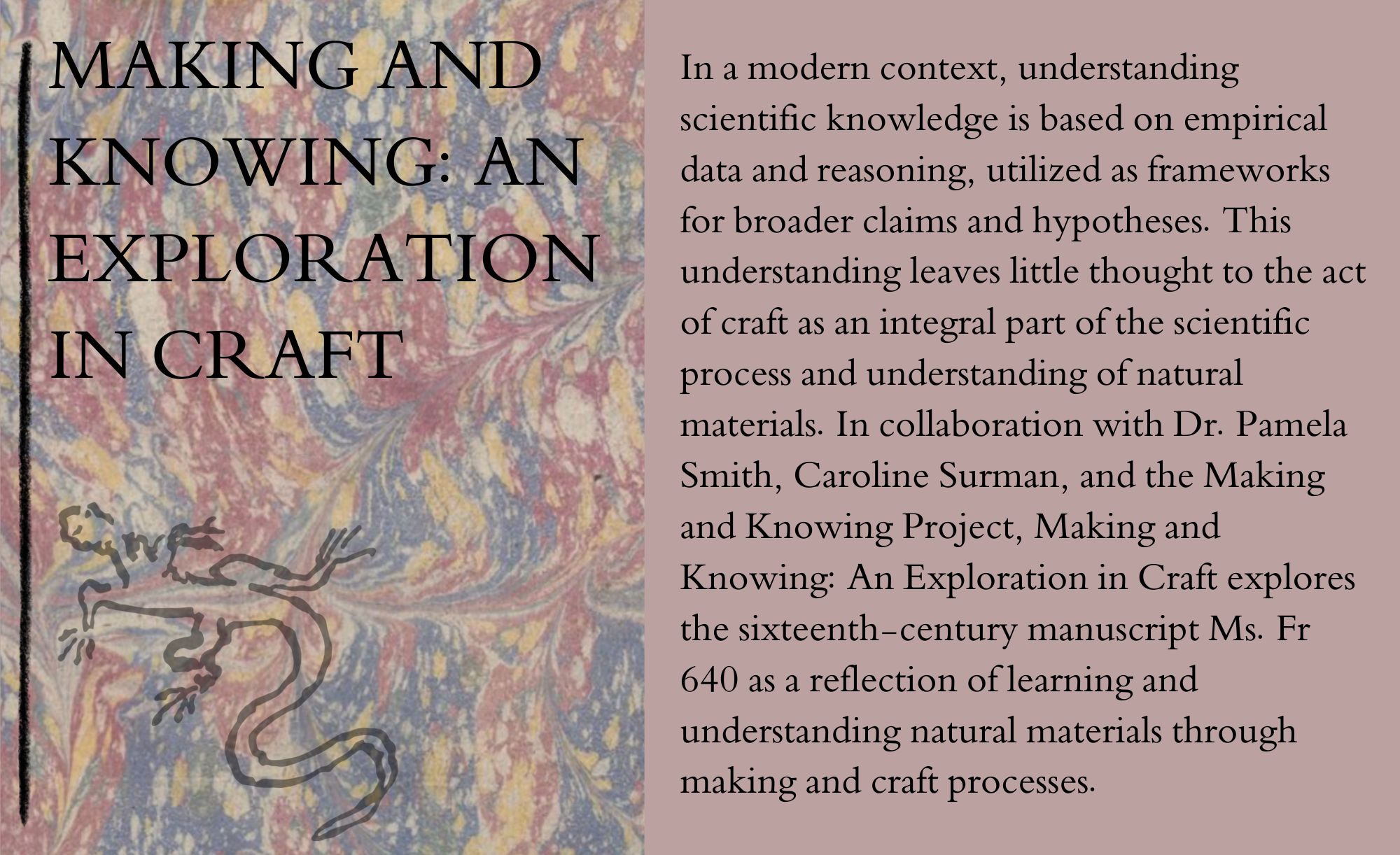
- There are also captions placed near the materials in a black, sixteen-point, Times New Roman font. These are listed below:
- Dr. Pamela Smith shares a brief introduction of the Making and Knowing project.
- This is an interactive digital copy of the manuscript. We would like you to take a few minutes to look through it. What are some things you notice? What is most interesting?
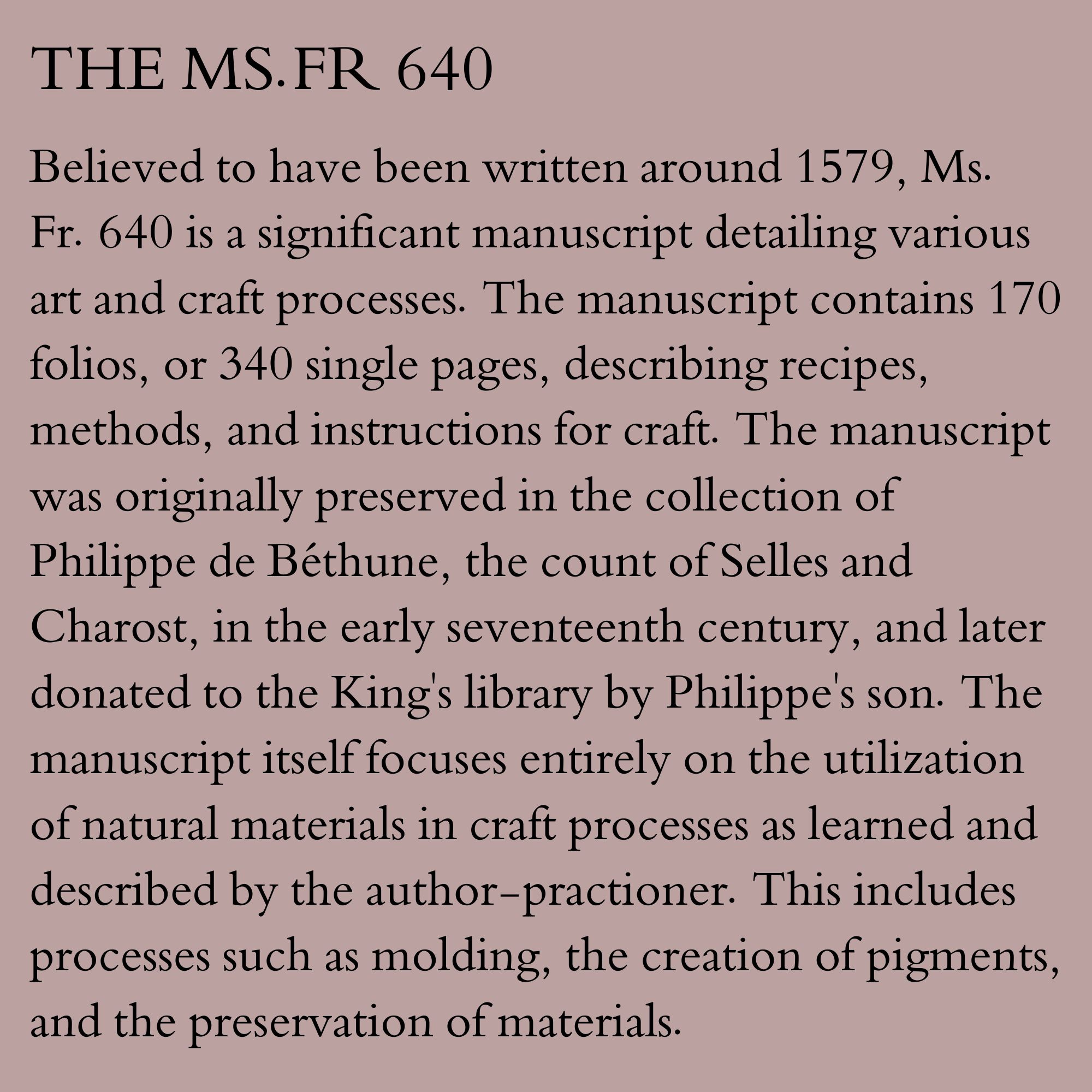
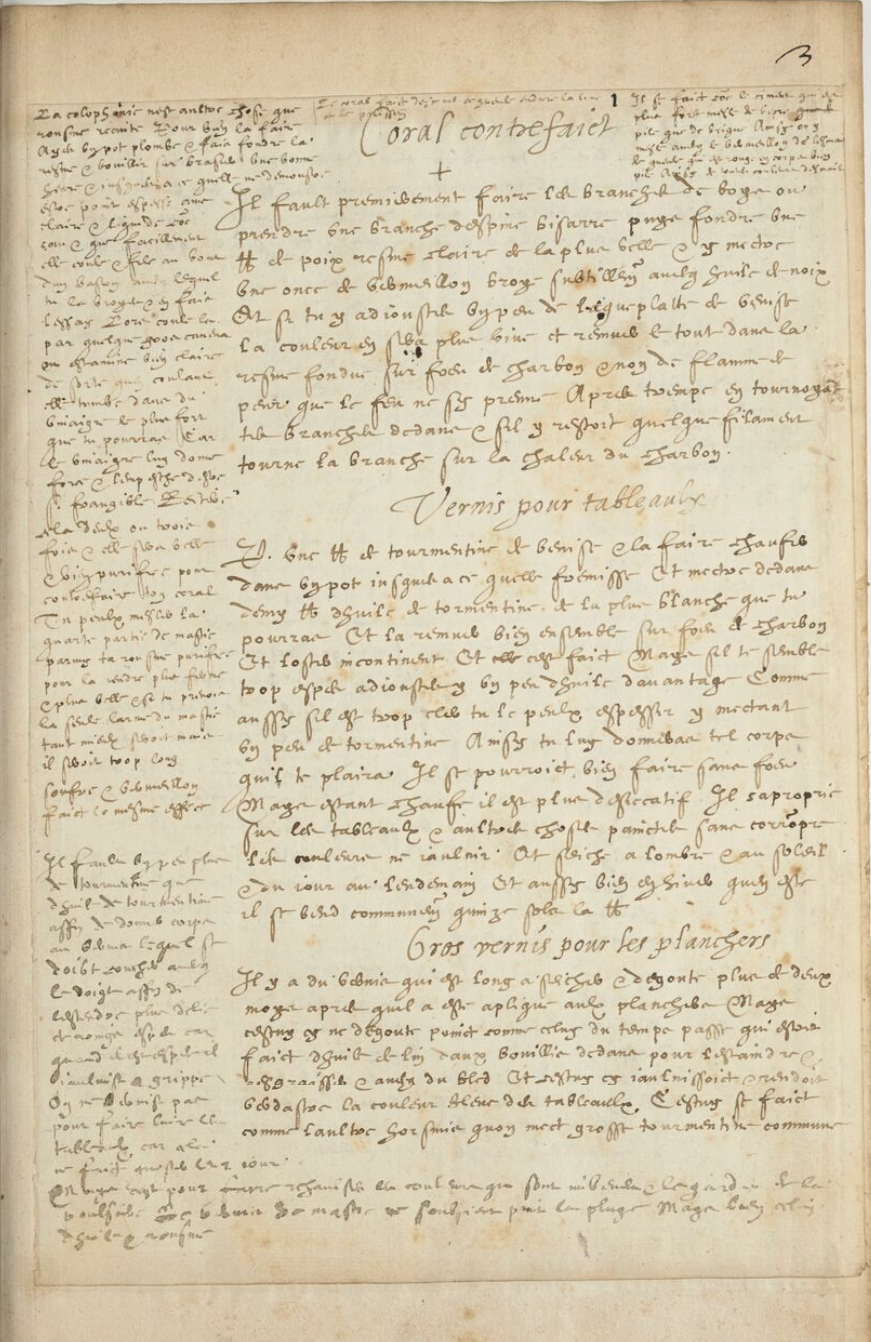
- Here is a short video examining the physical manuscript and some of its features. What are some things you noticed about the physical copy? What aspects of the manuscript do you find most intriguing?
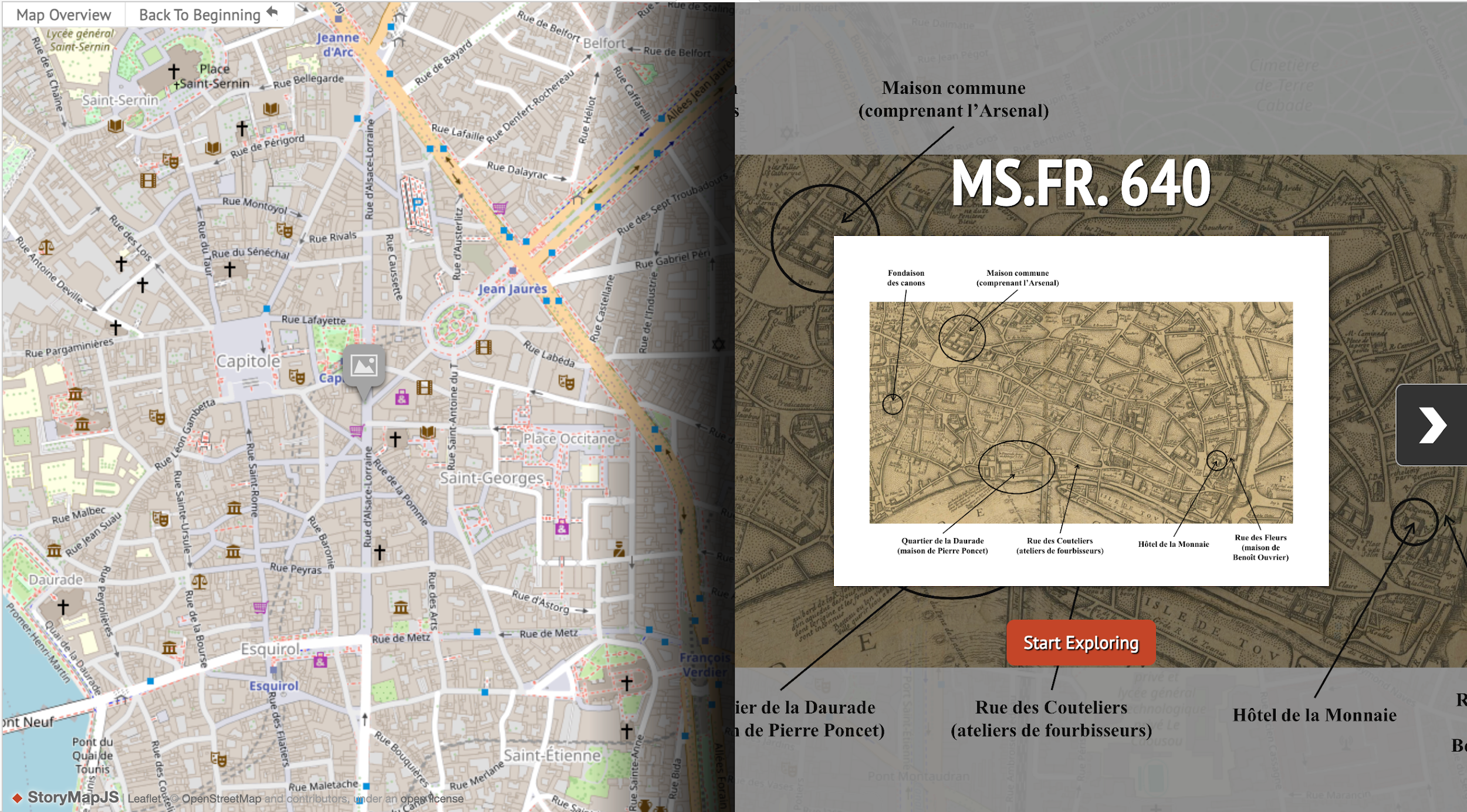
- Below is an interactive storymap that walks through Toulouse as mentioned in the manuscript. As you look through the different locations, what can you infer about Toulouse’s cultural and historical context? Why is the cultural and historical context of the city important in understanding the manuscript?
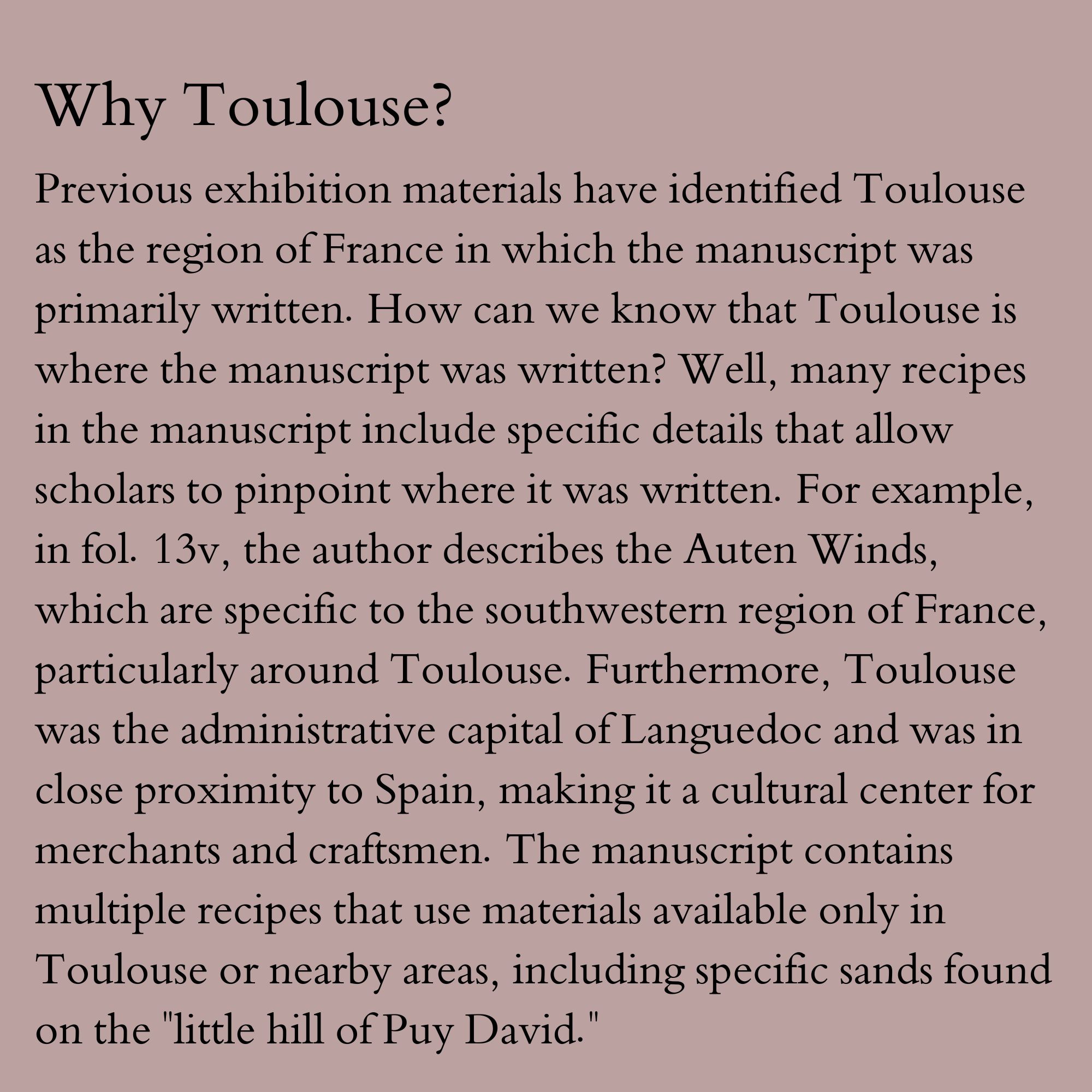
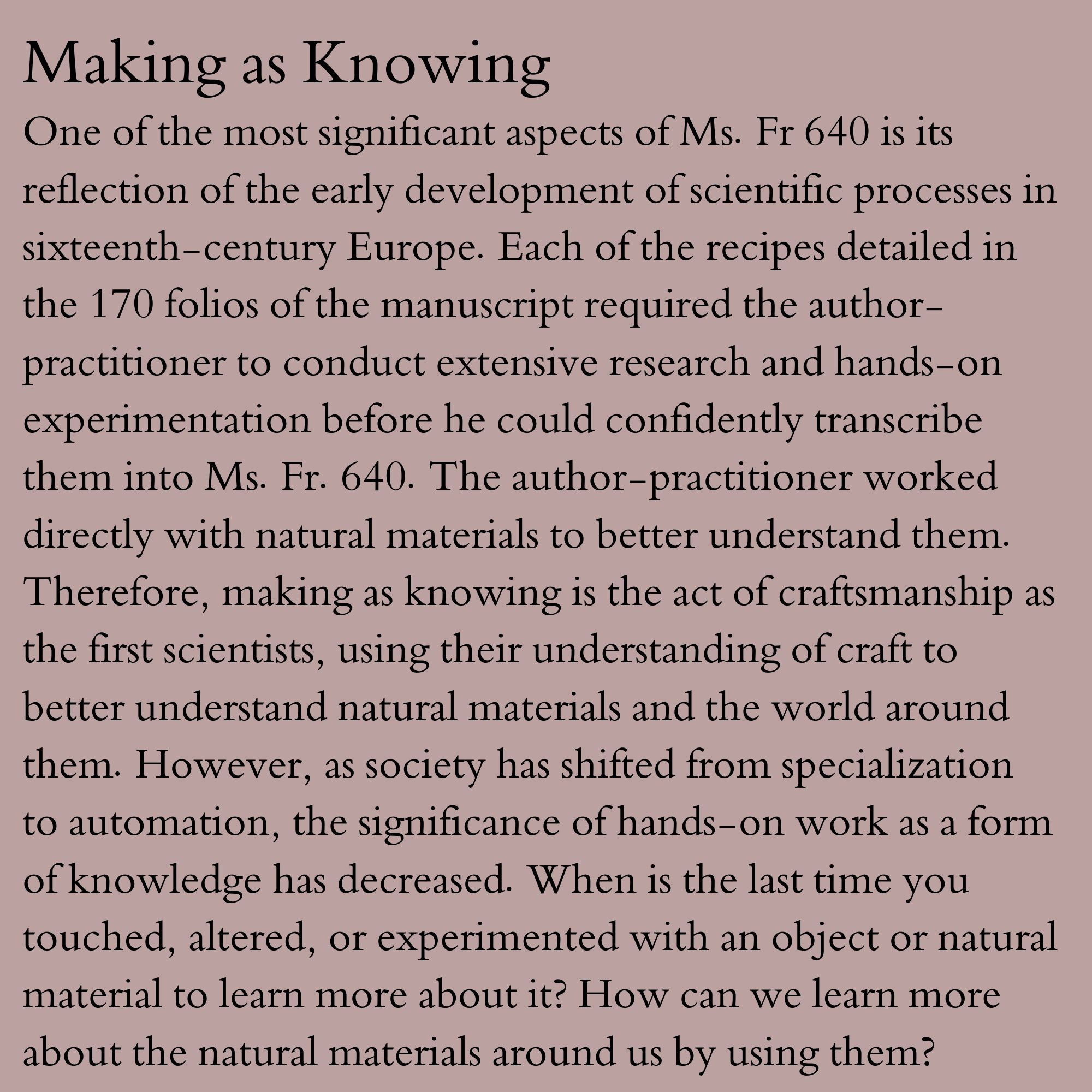
- Making is knowing, and an important aspect of making is doing. This video game has little instructions; however, as you learn how to complete the levels, you move to the next. This represents how knowledge is gained through the process of making.
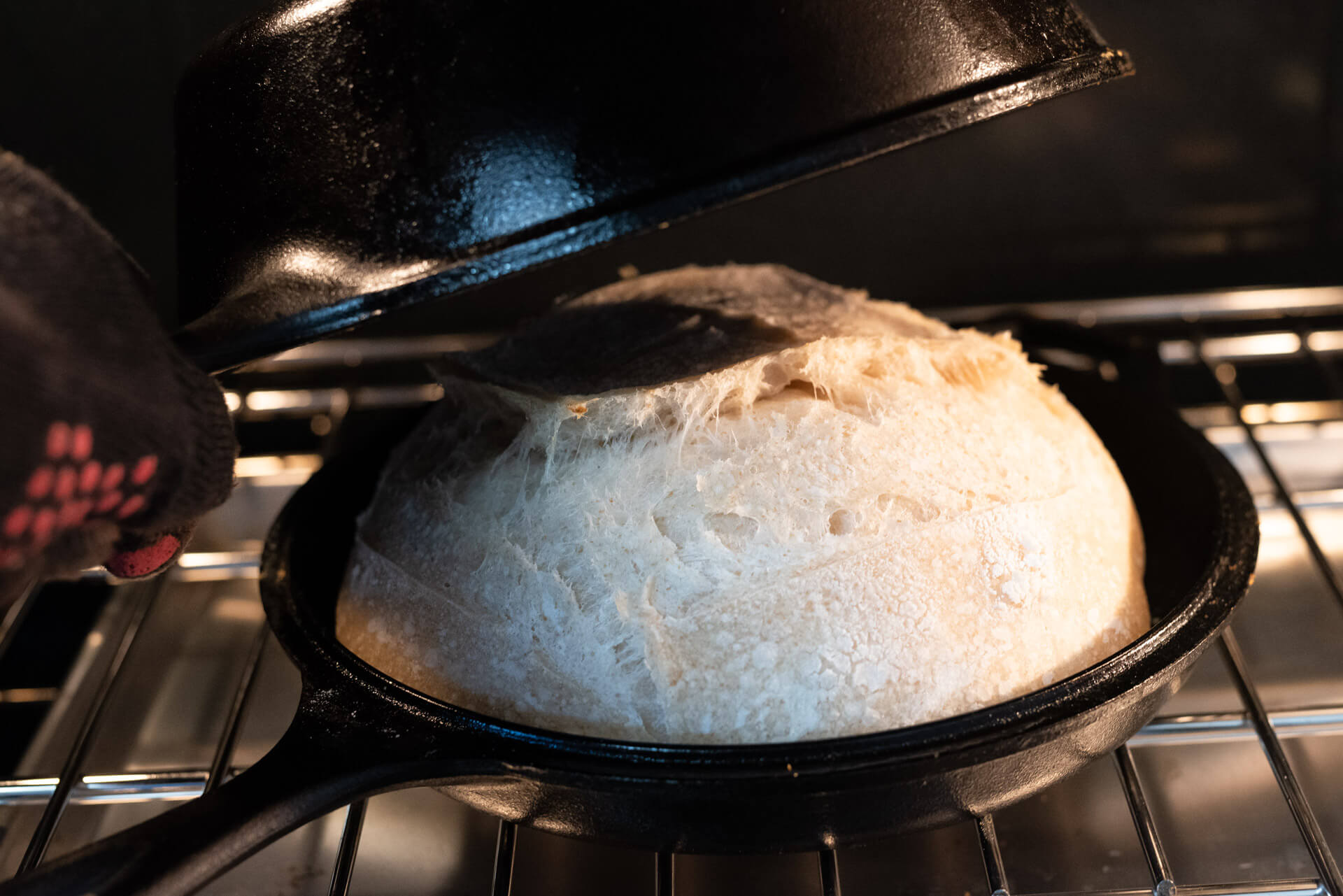
- If you had to guess, how much longer does the sourdough loaf need to stay in the oven? You could most likely make an educated guess based on the appearance, temperature of the oven, and your prior knowledge of baking. However, if you were to ask a baker, they would provide an almost definite answer. This is embodied knowledge, the ability to understand materials based on your previous experience gained by observation through your senses and repeated interaction with materials.
- The Making and Knowing Lab at Columbia University
- The Author-Practitioner
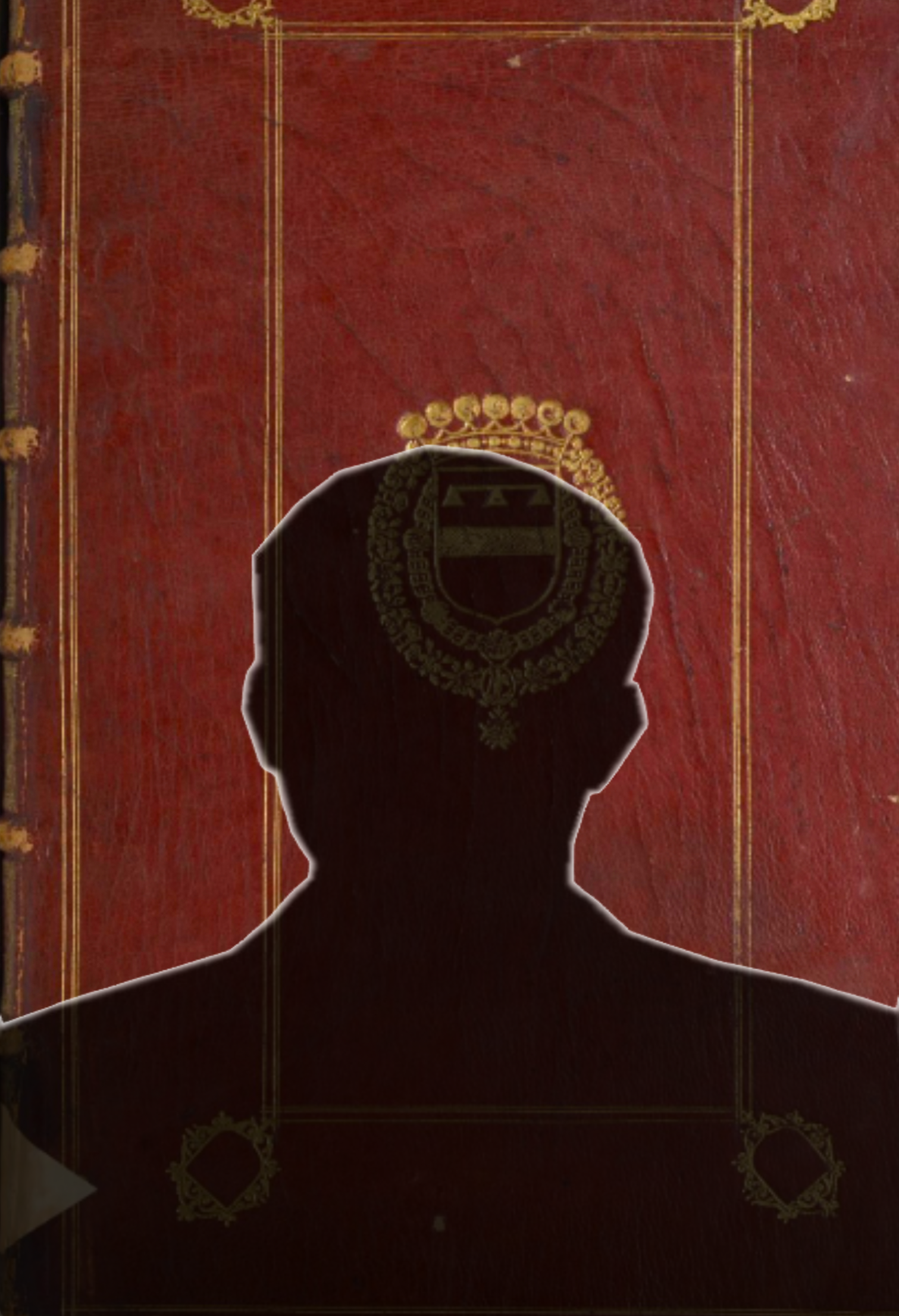
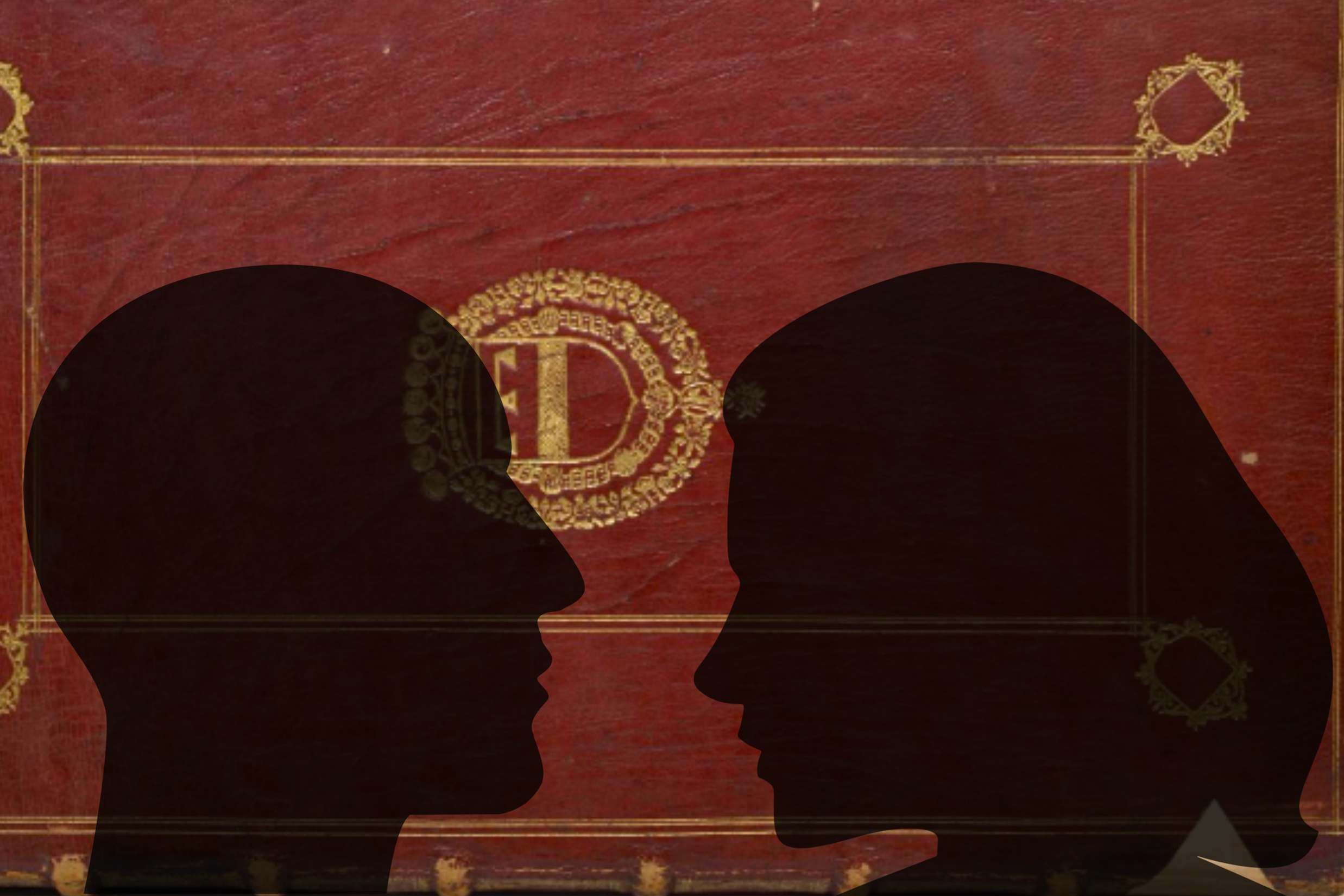
Photos included in the section of the exhibit focusing on the author-practitioner and manuscript include a black silhouette of a man placed over the cover of Ms.Fr 640. The image conveys the author’s anonymity. Similarly, the second image is of a black silhouette of a man and a woman facing each other. This conveys a similar message of the anonymity of the author’s identity. Other photos treat other aspects of the author-practitioner’s identity
The Making and Knowing pop-up book - a student project from Spring 2022. The pop-up book is an incredible art project that features multiple aspects of the Making and Knowing Project.
A student project from Fall 2021. The soundscape provides an immersive experience of metalworking and the sounds of working within the lab. a soundscape of casting metal into a prepared mold,
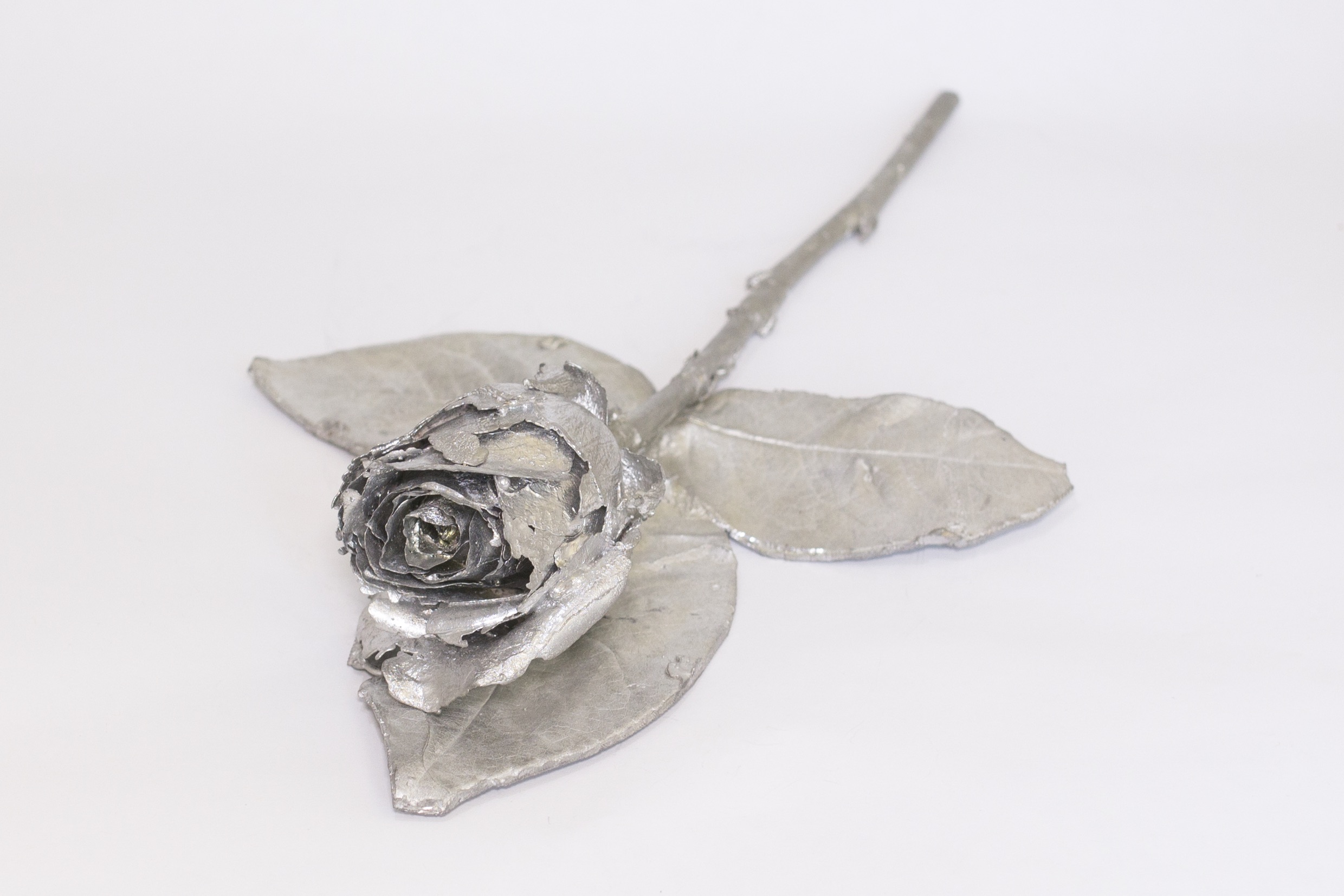
A lifecast rose from the research essay, “Molding a Rose.” Among all the research projects, a lifecast rose is the most recognizable out of context. Furthermore, the materials used are easily identifiable.
Videos: There are two videos included in the exhibit section that discuss the author-practitioner and the manuscript. The first video is an introduction video that gives a short overview of the Making and Knowing project. The video is taken from the article, “An Introduction to Ms. Fr. 640 and its Author-Practitioner,” located on the Secrets of Craft and Nature website. The second video walks through the physical manuscript and highlights its features. This video is also taken from the landing page of Secrets of Craft and Nature. There are three videos within the second section of the exhibit. The first is the lab tour video from the introductory article about the manuscript. This gives visitors a deeper look into the lab and seminar class of the Making and Knowing project.
Digital Materials: The first digital item is a video of the digital manuscript. The video is a screen recording, paging through the digital edition of the manuscript. The video is intended to represent an interactive standing screen that lets visitors browse the digital manuscript, much as the website lets you manipulate the digital copy. The second digital item is an image of a storymap. The storymap illustrates all of the mentions of Toulouse in the manuscript. It is intended to allow visitors to interact with the manuscript’s context in the city where it was created. The third digital item is an image intended to represent a video game inspired by the idea of making as knowing. The concept of the video game is for visitors to act as metal workers; however, they are given no instructions on how to increase their knowledge (or level up) in the game. To do so, they have to play the game to better understand how to move on to the next level. By doing so, they are representing how artists interact with natural materials through experimentation.
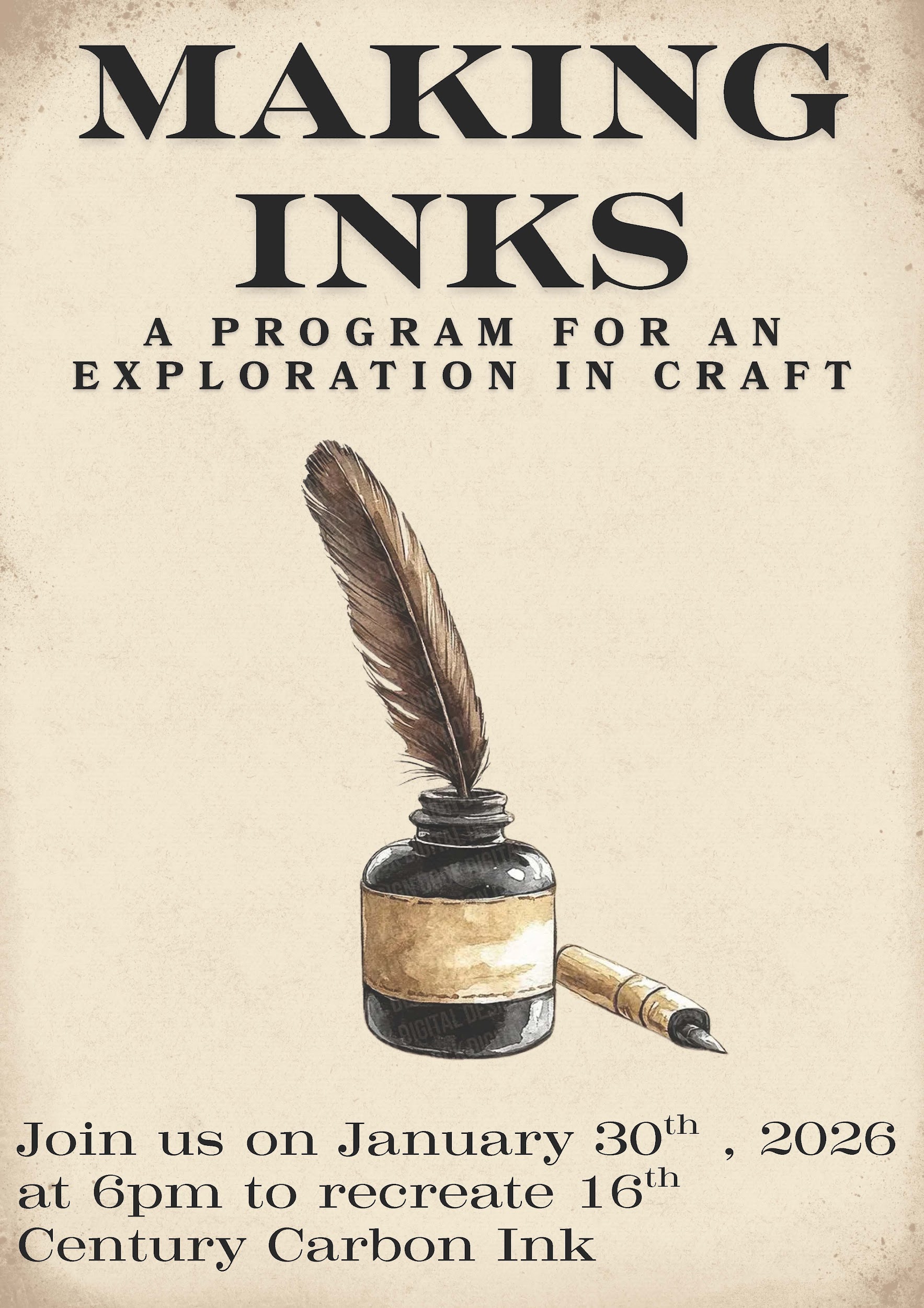
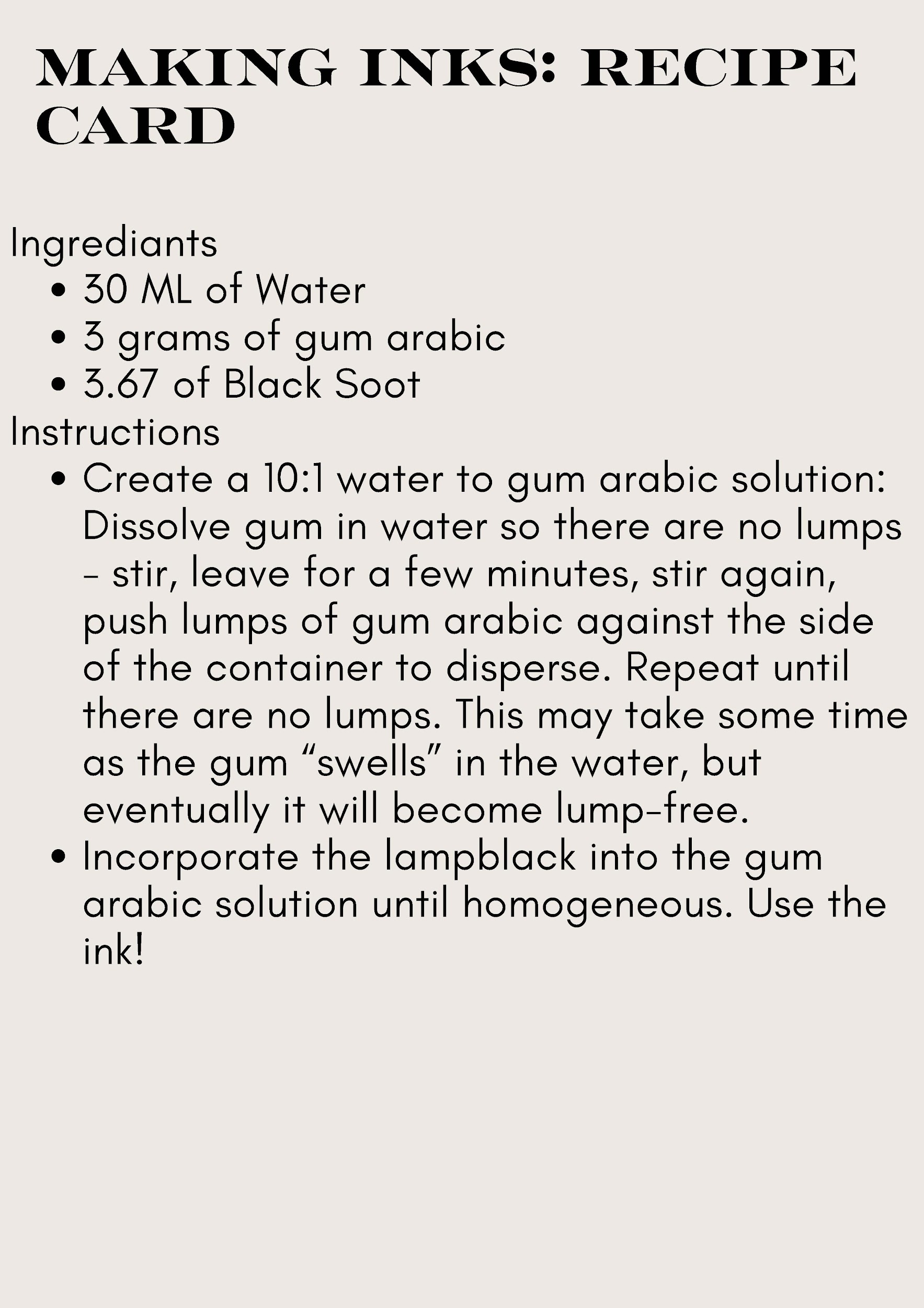
Programming Poster: A programming poster for the first event in the programming cycle.
Works Cited
Chiostrini, Giulia, and Jef Palframan. “Molding a Rose.” In Secrets of Craft and Nature in Renaissance France. A Digital Critical Edition and English Translation of BnF Ms. Fr. 640, edited by Making and Knowing Project, Pamela H. Smith, Naomi Rosenkranz, Tianna Helena Uchacz, Tillmann Taape, Clément Godbarge, Sophie Pitman, Jenny Boulboullé, Joel Klein, Donna Bilak, Marc Smith, and Terry Catapano. New York: Making and Knowing Project, 2020. https://edition640.makingandknowing.org/#/essays/ann_022_sp_15. DOI: https://www.doi.org/10.7916/17zd-7y45.
Smith, Pamela. Introduction to the Making and Knowing Project. n.d. Accessed February 15, 2026. https://vimeo.com/384070384.
Smith, Pamela. Paging through BnF Ms. Fr. 640. n.d. Accessed February 15, 2026. https://vimeo.com/389763699.
Smith, Pamela. Tour the Making and Knowing Laboratory. n.d. Accessed February 15, 2026. https://vimeo.com/384070452.
Waters, Mac, and Elliot Zayas. Soundscape 2: Casting the Metal. Research and Teaching Companion, Making and Knowing Project. Accessed February 15, 2026. https://vimeo.com/672823504.
Yang, Luxi, and Jianing Wei. “Making and Knowing Pop-up Book.” Research and Teaching Companion, Making and Knowing Project, 2022. https://teaching640.makingandknowing.org/resources/student-projects/sp22_wei-yang_jianing-luxi_popup/.